







 > 국내도서 요약 > > 국내도서 요약 > |
국내도서 요약 |
| 경제경영전체 |
| 경영자스토리 |
| 리더십 |
| 경영전략/혁신 |
| 마케팅 세일즈 |
| 트렌드/미래예측 |
| 경제 |
| 재테크/투자 |
| 창업/취업 |
| e-비즈니스 |
| 자기계발 |
|
| 인문교양전체 |
| 인문학 |
| 역사 |
| 사회과학 |
| 자연과과학 |
| 예술/대중문화 |
| 인물/평전 |
| 종교 |
| 교육/육아/학습 |
| 여행/취미/건강 |
| 산문/에세이/논픽션 |

 > 오디오북 > 영어오디오북
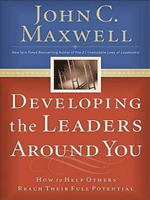
- Developing The Leaders Around You
- 저 자 John C. Maxwell
- 출판사 Nelson Business
- 가 격 $14.99(224 Pages)
- 출판일 2005년 10월


본 도서요약본은 네오넷코리아가 해당 출판사의 허가 및 검수를 거쳐 제작된 컨텐츠입니다. - 저작권 관련 문의처 : 해냄법률사무소 황도수변호사 02)541-7233

The Big Idea
No organization can succeed
without good leaders. And a leader’s most important task is to acquire and keep
good people, and make leaders out of them. This is because in any organization
or company, people are the only assets that can continually appreciate. Systems
become dated, buildings deteriorate, and machinery wears down. But people can
grow, develop and become more productive and effective if they have a good
leader who understands their value.
Organizations cannot increase their value or productivity
without people. An organization’s growth potential is directly related to its
personnel potential. This is the message of John C. Maxwell’s “Developing The
Leaders Around You” ? a good leader is someone who knows how to develop other
leaders. This book teaches practical techniques and gives wonderful insights on
becoming a truly successful leader.
In 1985, John Maxwell founded The INJOY Group, a collection of three distinct companies that employ 200 people and provide resources and services that help people reach their personal and leadership potential. In addition to building a successful organization, John has authored more than thirty books, including the New York Times best sellers The 21 Irrefutable Laws of Leadership and Failing Forward.
Called the nation's foremost expert on leadership, John was born in central Ohio five and a half decades ago.